After a flood, mold can begin on wet drywall, carpet, insulation and wood within a day or two. EPA advises drying wet materials within 24 to 48 hours, and porous items that stay moldy generally have to be removed. Call the number on this page to be connected with a local mold company in Gloucester City.
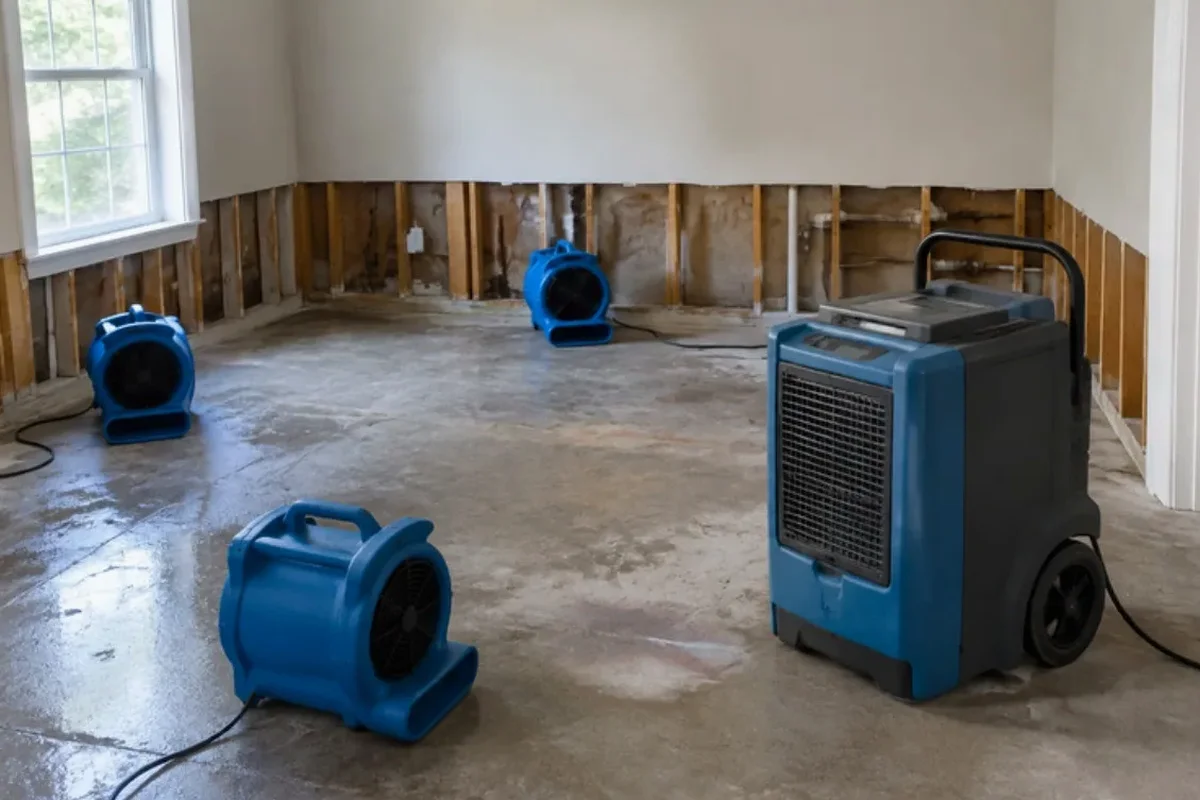
If you came back to a flooded house
Check that the power is safe before you go into water, then document the damage. Once the water is out, open windows if weather allows and start drying. Call about mold if anything remains damp after a day or two. Safety comes before sorting through anything.
Snowmelt and ice
A heavy winter snowpack that melts fast over frozen ground has nowhere to go but toward the house. Gutters and downspouts clogged with ice add to it. Spring thaw is when many basements first show seepage and the damp odor that goes with it. This is when many first-time leaks show up.
Low lots near water often see seepage even without a named flood event. After heavy rain, check the lowest floor for dampness, odor and white mineral staining.
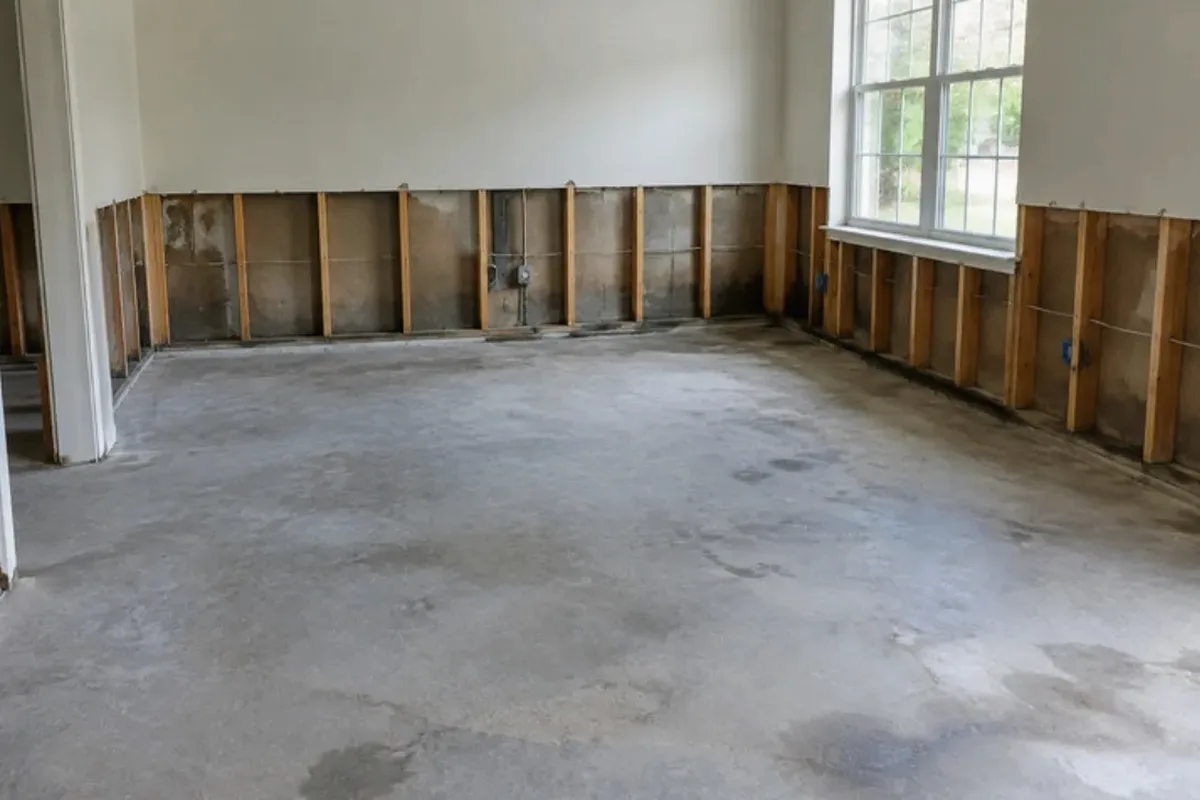
Depth and time drive the work
A few inches that drained within hours leave a shallow wet zone. A foot or more that sat overnight wets drywall up the wall and soaks insulation. Longer exposure means more materials fail, and the job grows each day water remains. Every day of delay adds more materials to the list.
Who handles what in Gloucester City
A New Jersey home improvement contract can be canceled until midnight of the third business day after you receive a copy, and the contract has to include that notice along with the contractor's registration number.
Keep the inspection report, the scope of work and any clearance results together; buyers, landlords and insurers often ask for them later.
If the job grows into replacing drywall, cabinets or framing, ask whether the rebuild needs a permit from the Gloucester City construction office.
For flood zone questions after a heavy rain, FEMA's flood maps and your insurance agent can confirm the mapped zone for an address.
Companies that take calls here usually also work in Woodbury, Mount Ephraim and Oaklyn.
The usual sequence
- Make the space safe and stop incoming water
- Remove standing water
- Remove materials that cannot be saved
- Dry framing and masonry
- Clean and treat surfaces
- Recheck moisture readings
Skipping the last step is how damp spots get closed up inside walls.
What not to do
Do not run a furnace blower through a wet house, paint over a damp wall or rely on bleach alone. EPA does not generally recommend biocides like bleach for routine cleanup. Remove moisture and wet materials first, then clean. Fix the water, then clean.
Storm & Flood Mold Removal questions in Gloucester City
My sump pump failed. What now?
Is bleach good for flood mold?
Should I get the air tested after a flood?
Does living near a river or creek raise my risk?
More mold services in Gloucester City
Storm & Flood Mold Removal nearby
Helpful guides
Sources
Last updated: