Fix whatever let the water in, whether that was a window well, a cracked wall or a pump. Without that, drying and cleaning only buy time before the next heavy rain. Call the number on this page to be connected with a local mold company in Haddon Heights.
Signs in rowhouse and twin basements
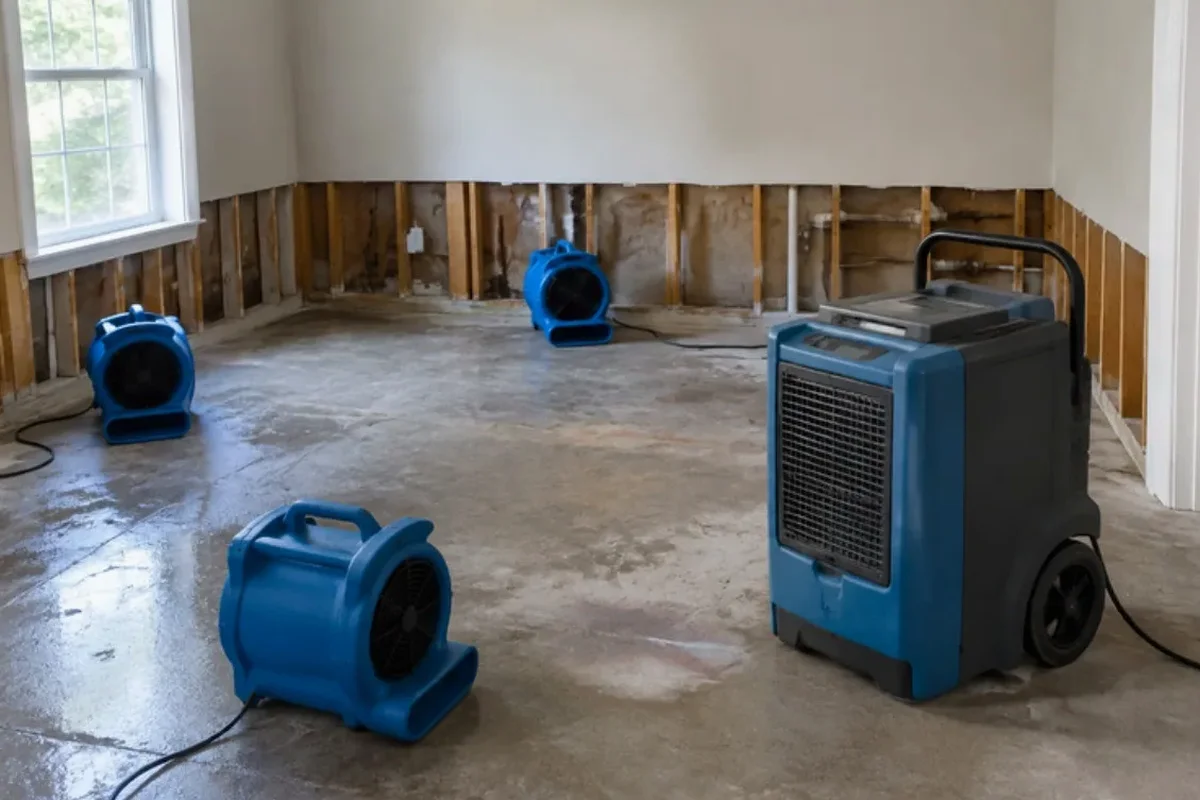
In older brick and stone basements, look for white mineral crust on walls, damp stains that wick upward, a sour odor and peeling paint. Water pushes through mortar joints, so the wall may stay wet even after the floor drains. Tap the lower wall and listen for a dull sound.
Remnants of tropical storms
Late-summer systems that move up the coast can bring steady rain for a day or more. Soil fills, creeks rise and basements that stay dry in a normal storm start to seep through floors and foundation walls. Steady rain matters as much as one big downpour.
Permits and license checks in Haddon Heights
In New Jersey, look for a home improvement registration number on the company's ads and contract. The Division of Consumer Affairs handles registration and can confirm a contractor's status.
Some owners hire one independent company for the inspection and clearance check and a different company for the cleanup, so the business judging the result isn't the one that did the work.
Rebuild work after the mold comes out, such as new drywall or framing, may need a permit; the Haddon Heights Borough construction office is where to ask for Haddon Heights addresses.
Water that came in from outside raises insurance questions; FEMA's flood map search shows whether the property sits in a mapped flood zone.
Companies that take calls here usually also work in Cherry Hill, Audubon and Mount Ephraim.
Salvage versus tear-out
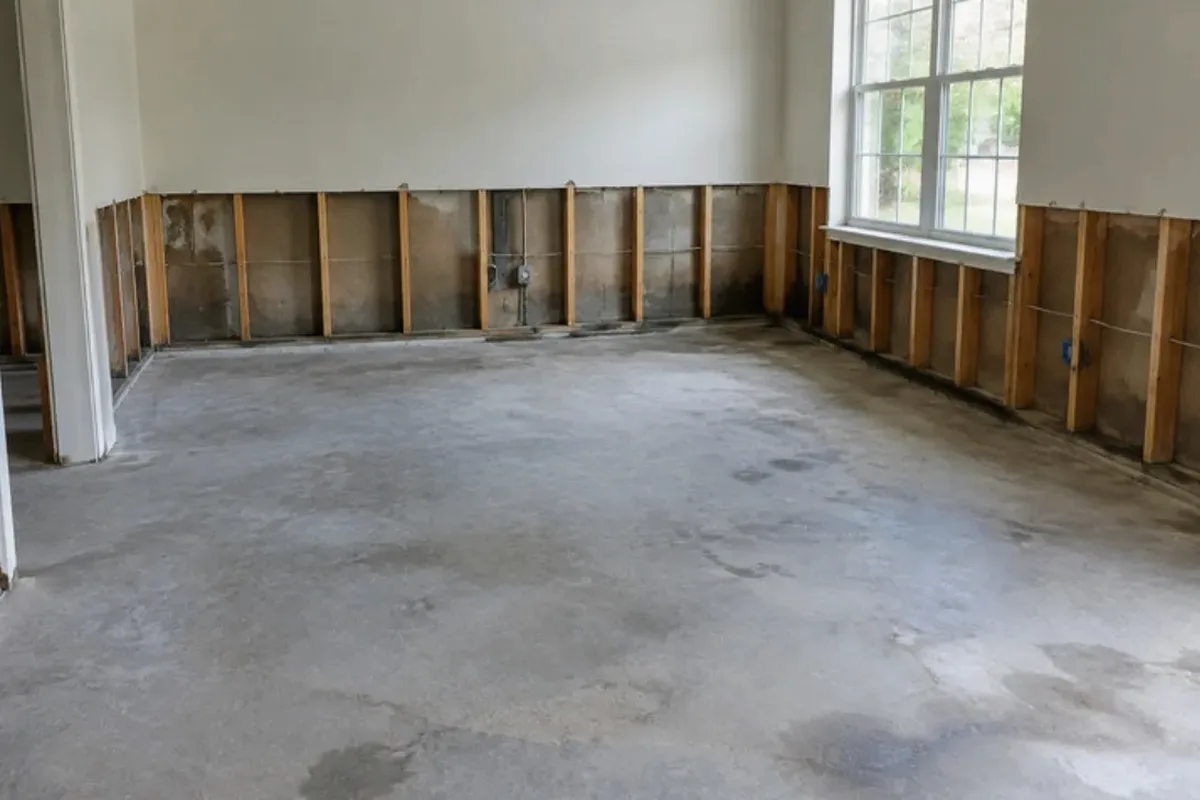
Framing, concrete and many hard surfaces can be dried and cleaned. Carpet, pad, insulation and drywall that stayed wet are usually removed. The more that can be saved, the smaller the cost, which is why fast drying makes such a difference. Ask who handles that work.
Protecting the rest of the house
Opening wet walls can spread dust and spores, so companies often hang plastic sheeting, seal the work area and exhaust the air outside. Ask how they plan to keep the upstairs clean and whether HVAC returns will be covered. Ask when the equipment will be shut off.
Photograph and keep records
Take dated photos of the water line, damaged items and every step of cleanup. Save receipts for equipment, hauling and repairs. Good records help both the insurance claim and any company that needs to know how long materials stayed wet. Keep them in a folder you can find.
Storm & Flood Mold Removal questions in Haddon Heights
What should I throw away after basement flooding?
Is sewer backup water handled differently?
Can I clean flood mold myself?
Will mold come back after cleanup?
More mold services in Haddon Heights
Storm & Flood Mold Removal nearby
Helpful guides
Sources
Last updated: