Porous materials such as drywall, insulation and carpet pad that stay moldy usually have to be removed, while hard surfaces can often be cleaned. EPA adds that the moisture source must be fixed first. Call the number on this page to be connected with a local mold company in Southampton.
The 10 square foot rule of thumb
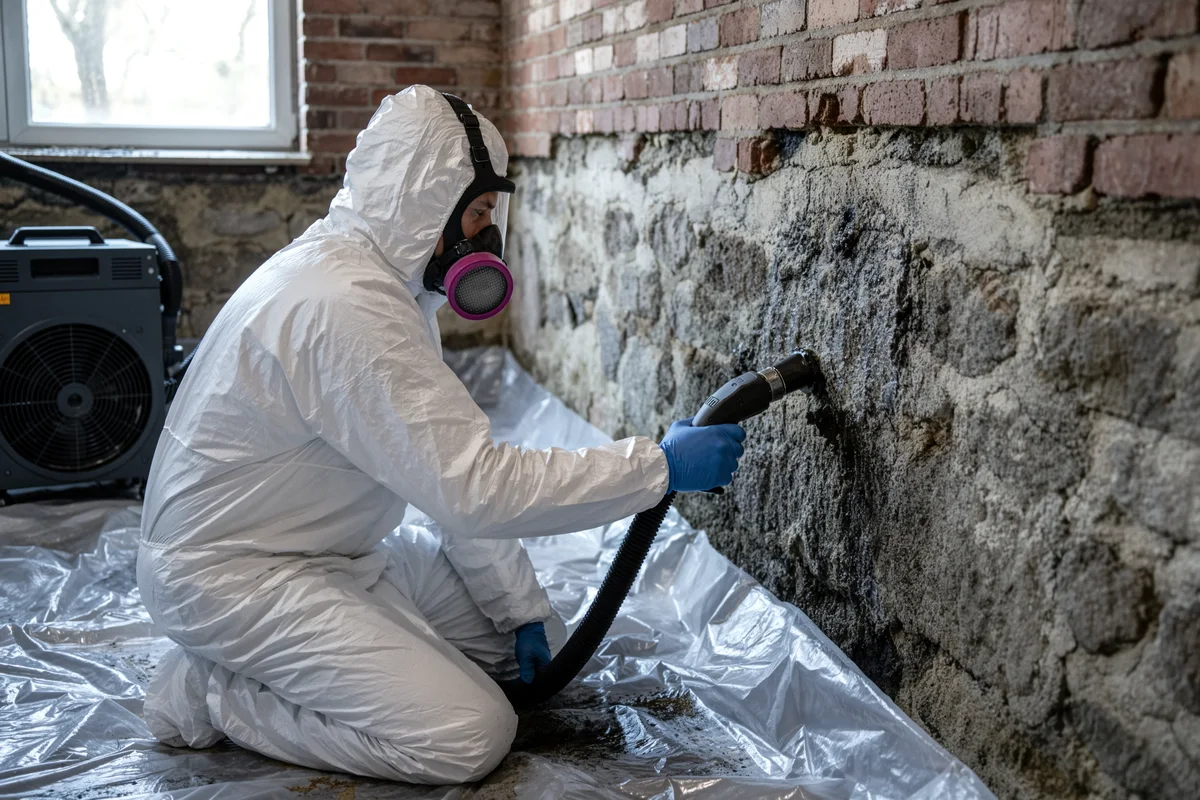
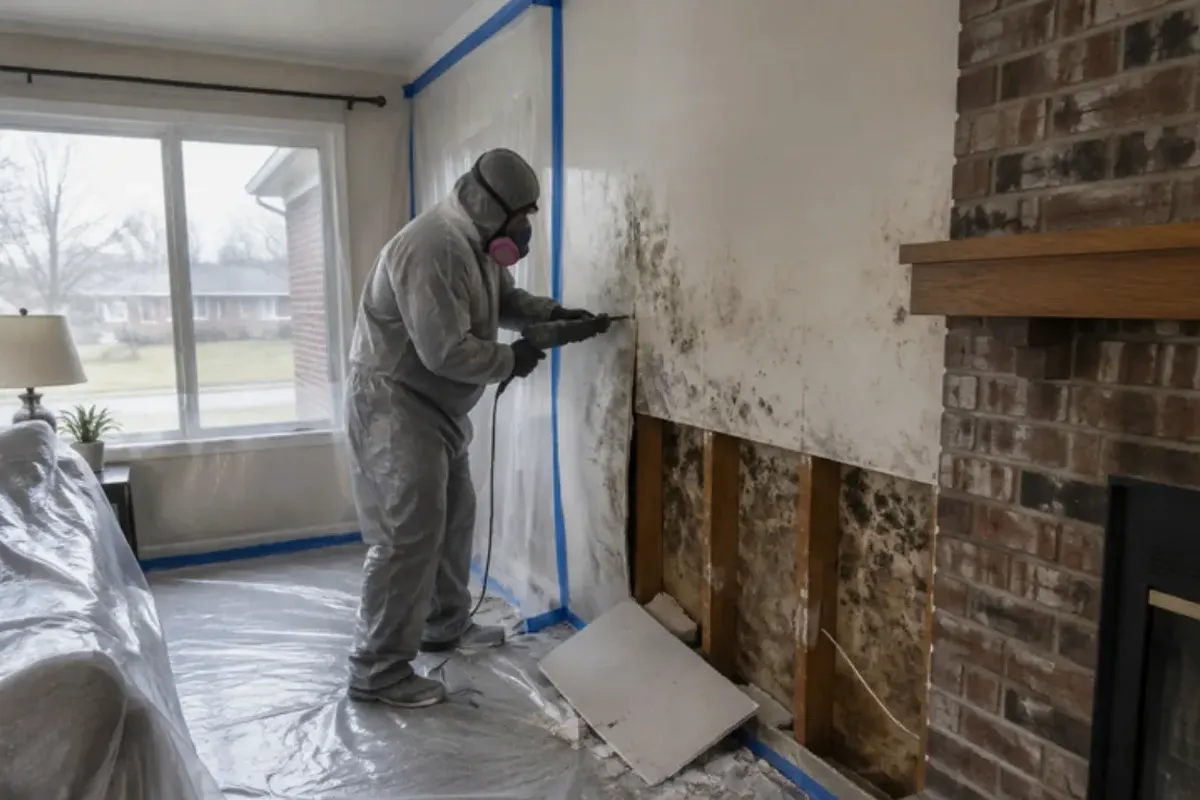
EPA notes that people can usually clean an area under about 10 square feet once the moisture is solved. Bigger patches, repeat growth or mold behind finished walls call for containment, HEPA equipment and a written plan instead of a scrub brush.
Newer homes have their own causes
Slab and crawl-space houses in newer developments trap moisture under flooring and behind tight, well-sealed walls. Bath fans that vent into the attic and window flashing that fails after a few seasons are frequent starting points for growth. A tight house hides these problems for a long time.
Insurance and paperwork
Coverage for mold varies a lot between policies, and often depends on what caused the water. Photos, moisture readings and a written scope help any claim. Check your policy language before work begins, not after. Many owners pay for a small extra step that saves a repeat bill.
Typical sequence of a job
- Walk-through and written plan
- Containment of the work area
- Removal of damaged materials
- HEPA vacuuming and cleaning
- Drying and dehumidifying
- Final check
Skipped steps are a red flag.
Ask who signs off on each stage and how the area is checked before walls close.
Keep airflow moving
Furniture pushed tight against exterior walls, closets packed to the ceiling and stacked boxes in a basement all block air. Pull items a few inches from the wall, leave closet doors cracked and store things on shelves instead of the floor. Small gaps behind furniture matter more than most people expect.
Useful local contacts for Southampton
The state sets no mold-specific license, so experience and paperwork matter more: ask which training the crew has, how containment will be set up, and for the company's Attorney General registration number.
Ask whether the company that removes the mold will also test its own work. Many owners prefer an independent assessor for clearance.
If the job grows into replacing drywall, cabinets or framing, ask whether the rebuild needs a permit from the Upper Southampton Township building office.
Water that came in from outside raises insurance questions; FEMA's flood map search shows whether the property sits in a mapped flood zone.
Nearby, the same kind of help is available in Huntingdon Valley, Richboro and Feasterville Trevose.
Southampton at a glance
Calls come in from across Southampton, including around Street Road, Second Street Pike, Bristol Road.
Most homes in Upper Southampton Township were built in the mid-twentieth century, so older basements and aging systems are common.
Mold Remediation questions in Southampton
Does bleach kill mold?
Do I need a written plan?
Do I need testing before removal?
Why is my old house prone to mold?
More mold services in Southampton
Mold Remediation nearby
Helpful guides
Sources
Last updated: