Fix whatever let the water in, whether that was a window well, a cracked wall or a pump. Without that, drying and cleaning only buy time before the next heavy rain. Call the number on this page to be connected with a local mold company in Plymouth Meeting.
Signs flood water has left mold behind
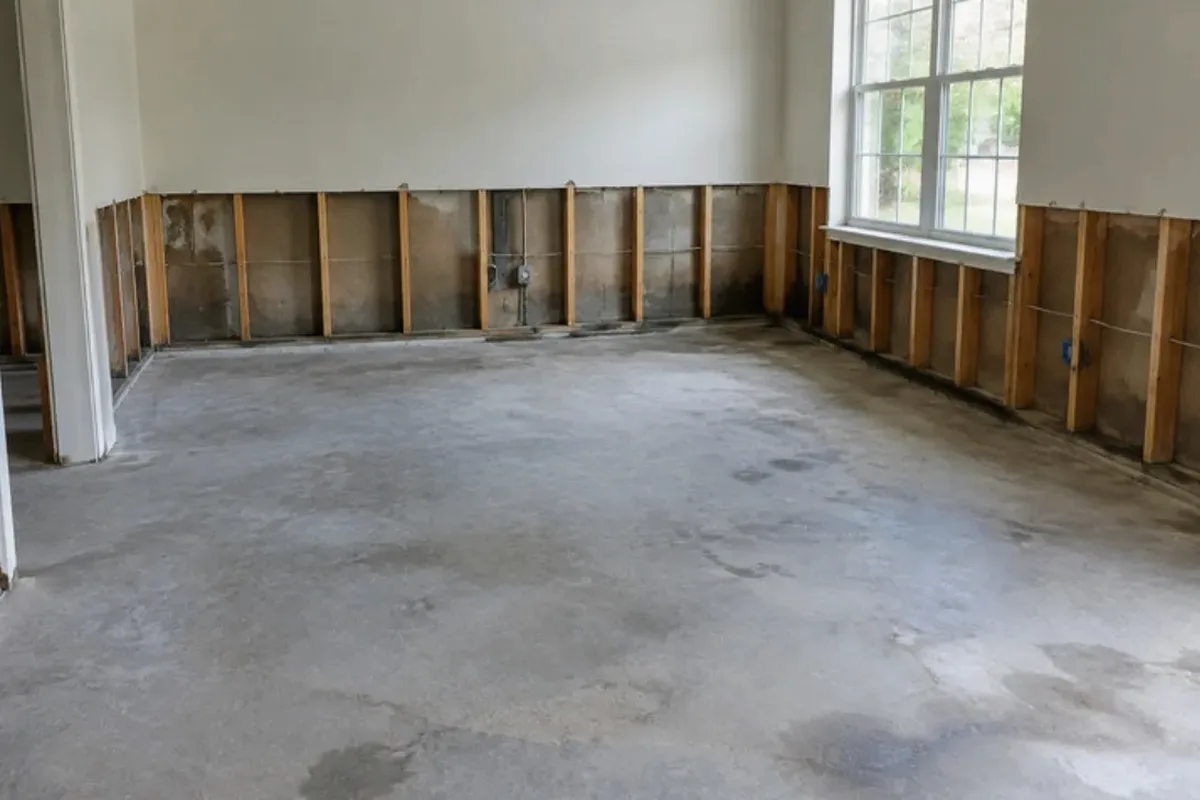
Look for a musty smell that returns, dark spots on the lower wall, drywall that crumbles or feels soft, paint that peels near the floor and stains on carpet backing. Any of these after a flood means the house has not fully dried, even if it looks fine. Do not rely on how a room looks.
Thunderstorms that outrun the drains
Summer downpours can dump more water than storm sewers handle. Street flooding backs up into window wells and basement drains, and older neighborhoods with combined lines see it quickly. The water may be gone in hours, but the damage stays in the walls. The drains in older blocks fill first.
Depth and time drive the work
A few inches that drained within hours leave a shallow wet zone. A foot or more that sat overnight wets drywall up the wall and soaks insulation. Longer exposure means more materials fail, and the job grows each day water remains. Every day of delay adds more materials to the list.
Permits and license checks in Plymouth Meeting
In Pennsylvania, home improvement work over $500 needs a written contract signed by both sides, with the price, the start and finish dates and the scope of work, and it must include a notice of your three-day right to cancel.
Keep the inspection report, the scope of work and any clearance results together; buyers, landlords and insurers often ask for them later.
Remediation itself is cleanup, but putting the room back together can be permitted work; ask the contractor whether the township or borough building office for your address needs to be involved.
Water that came in from outside raises insurance questions; FEMA's flood map search shows whether the property sits in a mapped flood zone.
Calls from Plymouth Meeting are often matched with companies that also cover Norristown, Lafayette Hill and Conshohocken.
Equipment you may see
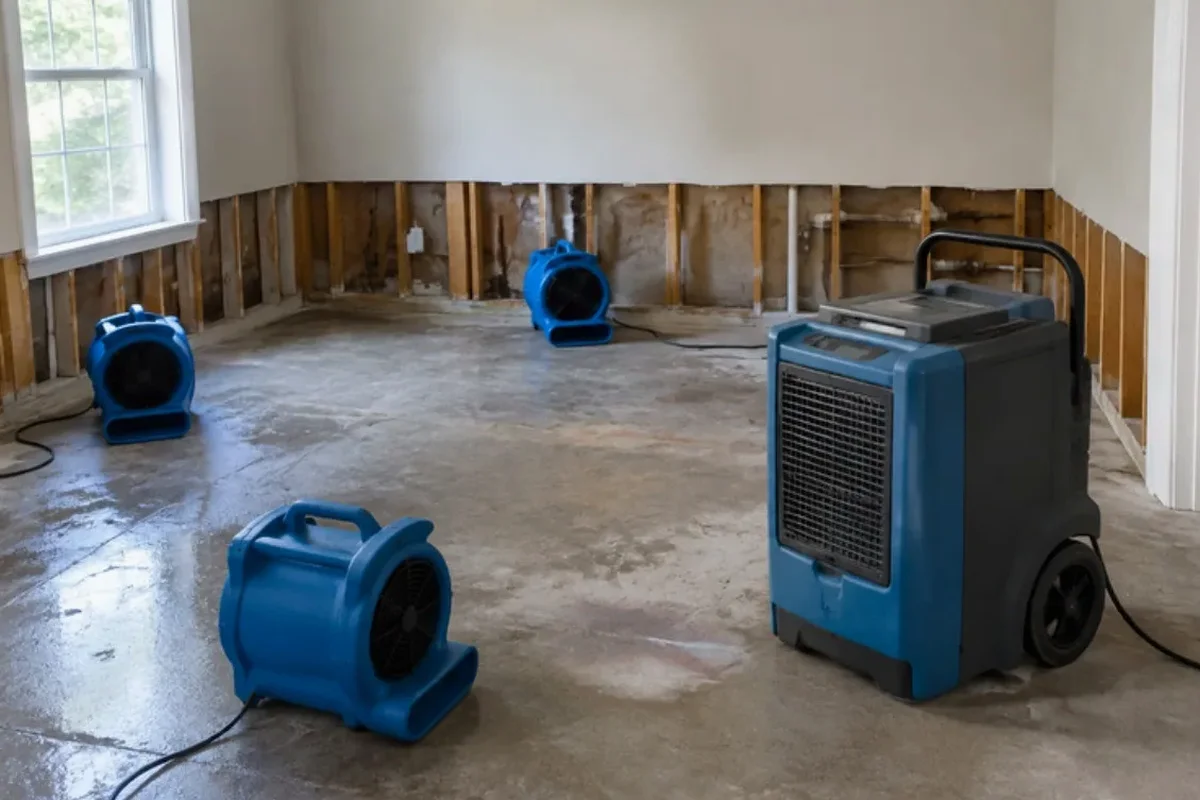
Expect pumps, wet vacuums, large air movers and dehumidifiers, and sometimes air scrubbers with filtered exhaust. Equipment runs for several days, and moisture readings are taken again to prove the structure is drying before any rebuilding starts. Ask what they will photograph.
The first two days
Get the water out, open the space to air and start fans and a dehumidifier. Remove soaked carpet, pad and anything that cannot be dried. Mold can begin on wet material within a day or two, so every hour of drying counts. Do not wait to see if it dries on its own.
Storm & Flood Mold Removal questions in Plymouth Meeting
Who removes mold after a flood?
Is sewer backup water handled differently?
My sump pump failed. What now?
How much does flood mold cleanup cost?
More mold services in Plymouth Meeting
Storm & Flood Mold Removal nearby
Helpful guides
Sources
Last updated: