Flood water that comes from a creek, river or sewer line carries dirt and contaminants, so companies treat the cleanup more cautiously than a clean-water leak. If you have health concerns, talk with your doctor. Call the number on this page to be connected with a local mold company in Gwynedd Valley.
When to stop DIY
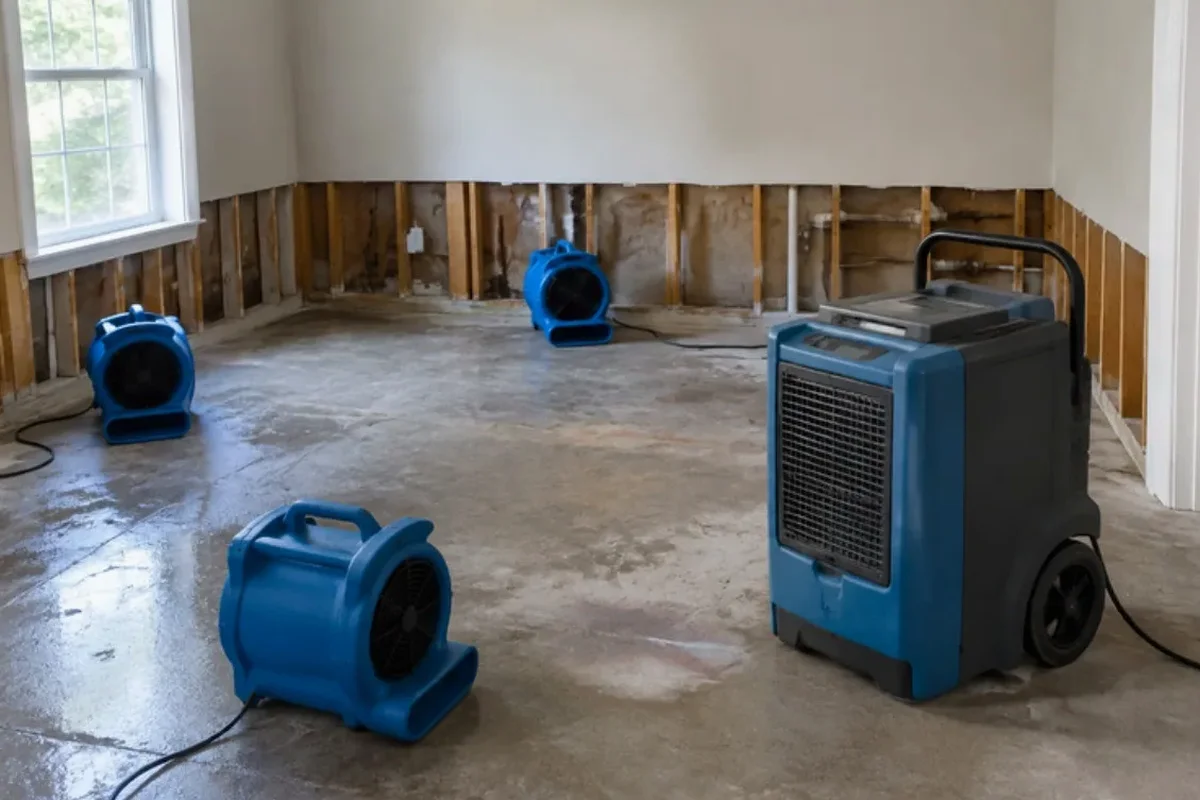
EPA says a homeowner can usually handle an area under about 10 square feet. If water reached the walls, covered the floor of a room or came from a sewer line, the job is larger and the materials involved usually need professional removal. Err on the side of calling early.
Basement seepage
Hydrostatic pressure from soaked ground pushes water through cracks, floor-wall joints and mortar. Fieldstone, brick and block foundations all admit it. Seepage may start as a damp line and, over days of rain, grow into inches of standing water. Cracks often start along the floor edge.
Rebuild is a separate step
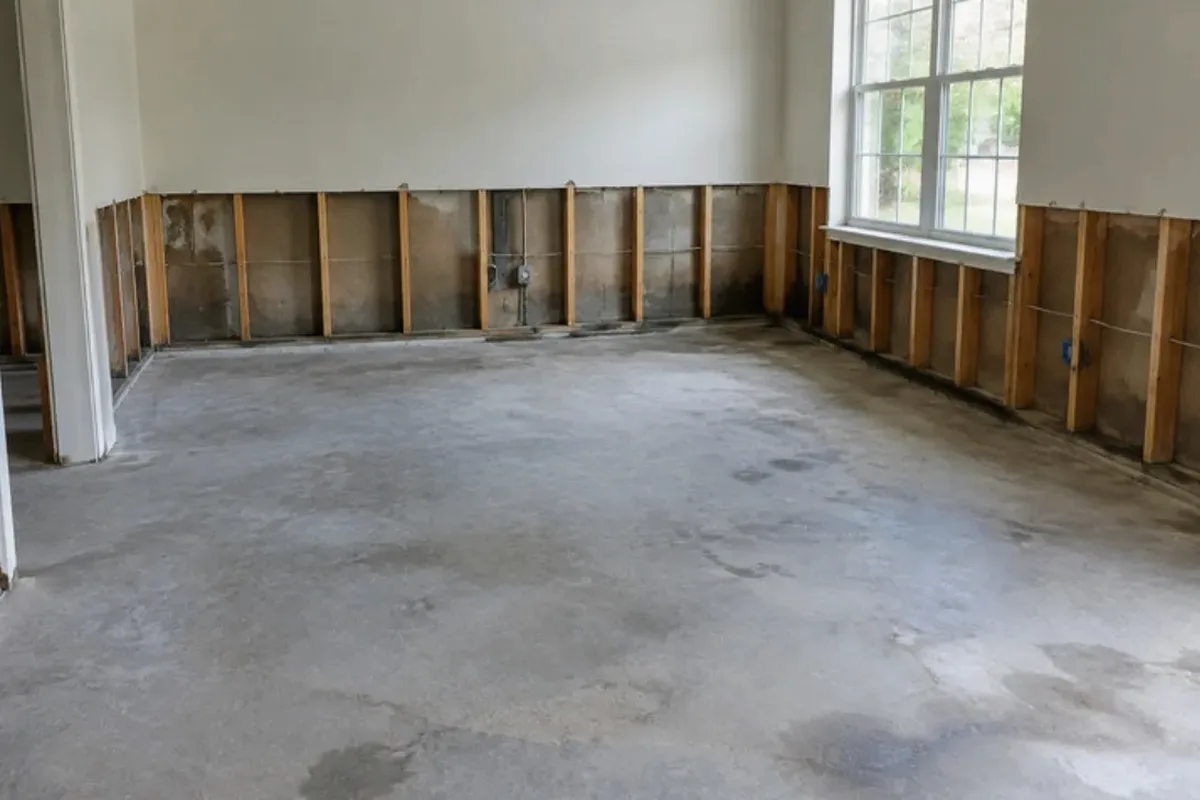
Mold companies often stop once the space is clean and dry. New drywall, paint, flooring and trim usually come from a contractor. Ask whether the quote covers rebuild so you are not surprised when cleanup ends and the walls are still open. Ask what the policy actually lists.
Who handles what in Gwynedd Valley
Pennsylvania lets you cancel a home improvement contract within three business days, and the contract has to say so in writing. Check the contractor's registration with the Attorney General before work starts.
Some owners hire one independent company for the inspection and clearance check and a different company for the cleanup, so the business judging the result isn't the one that did the work.
Rebuild work after the mold comes out, such as new drywall or framing, may need a permit; the Lower Gwynedd Township building office is where to ask for Gwynedd Valley addresses.
Water that came in from outside raises insurance questions; FEMA's flood map search shows whether the property sits in a mapped flood zone.
Calls from Gwynedd Valley are often matched with companies that also cover North Wales, Gwynedd and Blue Bell.
Questions worth asking
- What type of water was it?
- Which materials are coming out?
- How will you verify the drying?
- Do you work with my insurer?
A good company answers clearly, puts the plan in writing and explains each step in plain terms. Ask where the sheeting will be placed.
Keep humidity down
EPA suggests indoor humidity below about 60 percent, ideally 30 to 50. A basic hygrometer tells you where the basement stands. After a flood, running a dehumidifier for a week or more confirms that the space is actually drying. Check the reading again after a few days.
Storm & Flood Mold Removal questions in Gwynedd Valley
Who removes mold after a flood?
Should I get the air tested after a flood?
How soon should I call after the water is gone?
How much does flood mold cleanup cost?
More mold services in Gwynedd Valley
Storm & Flood Mold Removal nearby
Helpful guides
Sources
Last updated: