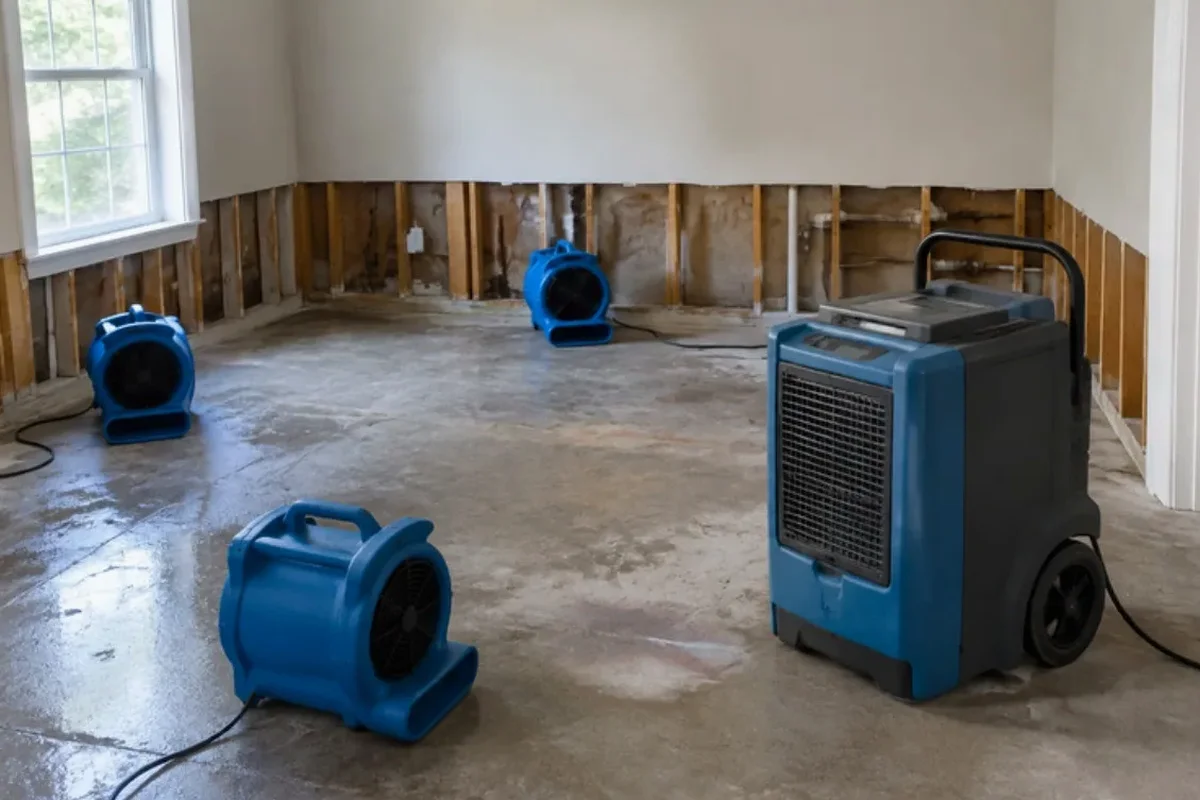
Water has to come out first, then the structure has to dry, and only then does cleaning make sense. Running a dehumidifier and fans helps, but soaked insulation and pad usually go. Call the number on this page to be connected with a local mold company in Gibbstown.
Smells that matter
A sharp earthy smell usually points to mold on wet organic material. A sour or sewage odor points to a drain or backup problem. Both are reasons to find the source, dry the space and remove what is soaked rather than masking the smell. Do not try to cover it with air freshener.
Snowmelt and ice
A heavy winter snowpack that melts fast over frozen ground has nowhere to go but toward the house. Gutters and downspouts clogged with ice add to it. Spring thaw is when many basements first show seepage and the damp odor that goes with it. This is when many first-time leaks show up.
Low lots near water often see seepage even without a named flood event. After heavy rain, check the lowest floor for dampness, odor and white mineral staining.
Speed lowers the bill
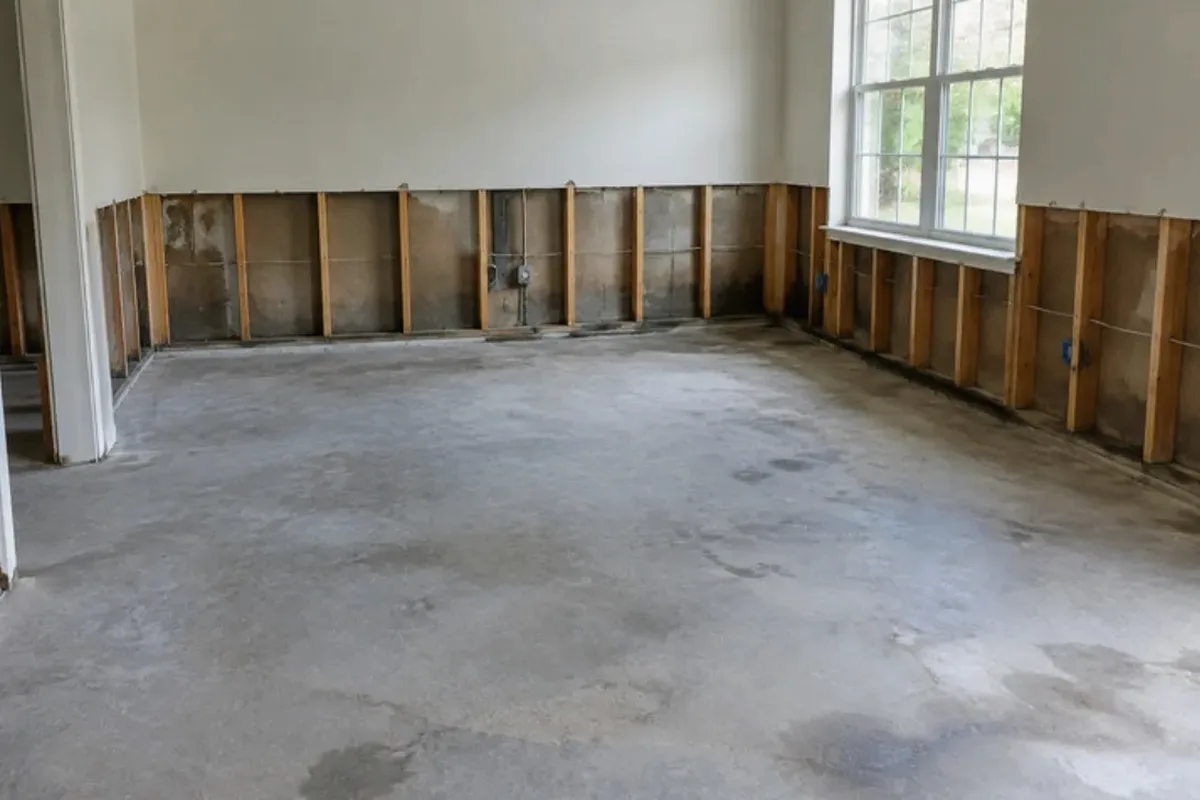
EPA advises drying wet materials within 24 to 48 hours. Hitting that window often means extraction, fans and dehumidifiers rather than removal. Waiting longer lets mold set in, and then removal and cleaning replace simple drying. Quick action is the best tool you have.
Who handles what in Gibbstown
New Jersey's Department of Health says there are no state certification programs for companies doing mold work. Home improvement contractors do have to register with the Division of Consumer Affairs, and the number belongs on the contract.
Some owners hire one independent company for the inspection and clearance check and a different company for the cleanup, so the business judging the result isn't the one that did the work.
Check with the Greenwich Township construction office before walls, cabinets or flooring go back in if the work goes beyond cleanup.
For flood zone questions after a heavy rain, FEMA's flood maps and your insurance agent can confirm the mapped zone for an address.
Nearby, the same kind of help is available in Chester, Paulsboro and Essington.
What happens when the company arrives
The crew asks where the water came from and how long it stood, then walks the house with moisture meters and often a thermal camera. They explain what can be dried, what has to be removed and how much of the house the work will affect. Ask for a short walkthrough at the end.
Photograph and keep records
Take dated photos of the water line, damaged items and every step of cleanup. Save receipts for equipment, hauling and repairs. Good records help both the insurance claim and any company that needs to know how long materials stayed wet. Keep them in a folder you can find.
Storm & Flood Mold Removal questions in Gibbstown
Who removes mold after a flood?
My sump pump failed. What now?
How long does it take to dry out after a flood?
Can I clean flood mold myself?
More mold services in Gibbstown
Storm & Flood Mold Removal nearby
Helpful guides
Sources
Last updated: