In humid summers a cool basement sweats, and in wet seasons groundwater pushes through old masonry, so a musty smell means moisture is present somewhere. Moisture readings help a company find it behind finished walls. Call the number on this page to be connected with a local mold company in Clifton Heights.
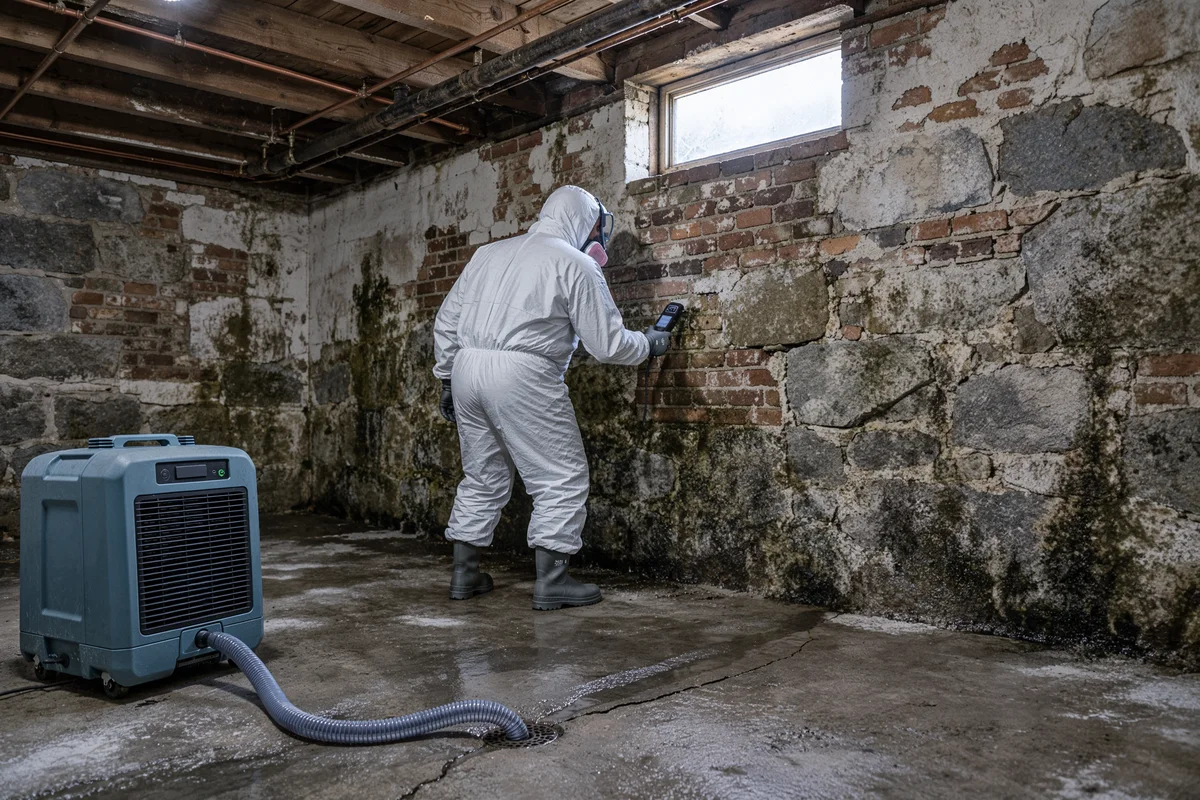
Bare Walls Tell the Story
In an unfinished cellar the evidence is out in the open. Look for crusty mineral deposits, rust at the base of the furnace or water heater, flaking whitewash, and dark patches on stored wood and furniture. Those marks show where water enters, and how often it does.
Party Walls and Neighbors
In rows and twins, a shared wall can carry a neighbor's leak or a failed gutter into your cellar. If dampness appears on the wall you share, the source may be next door, which is worth knowing before you spend money on your own side. Ask the neighbor before you tear anything out.
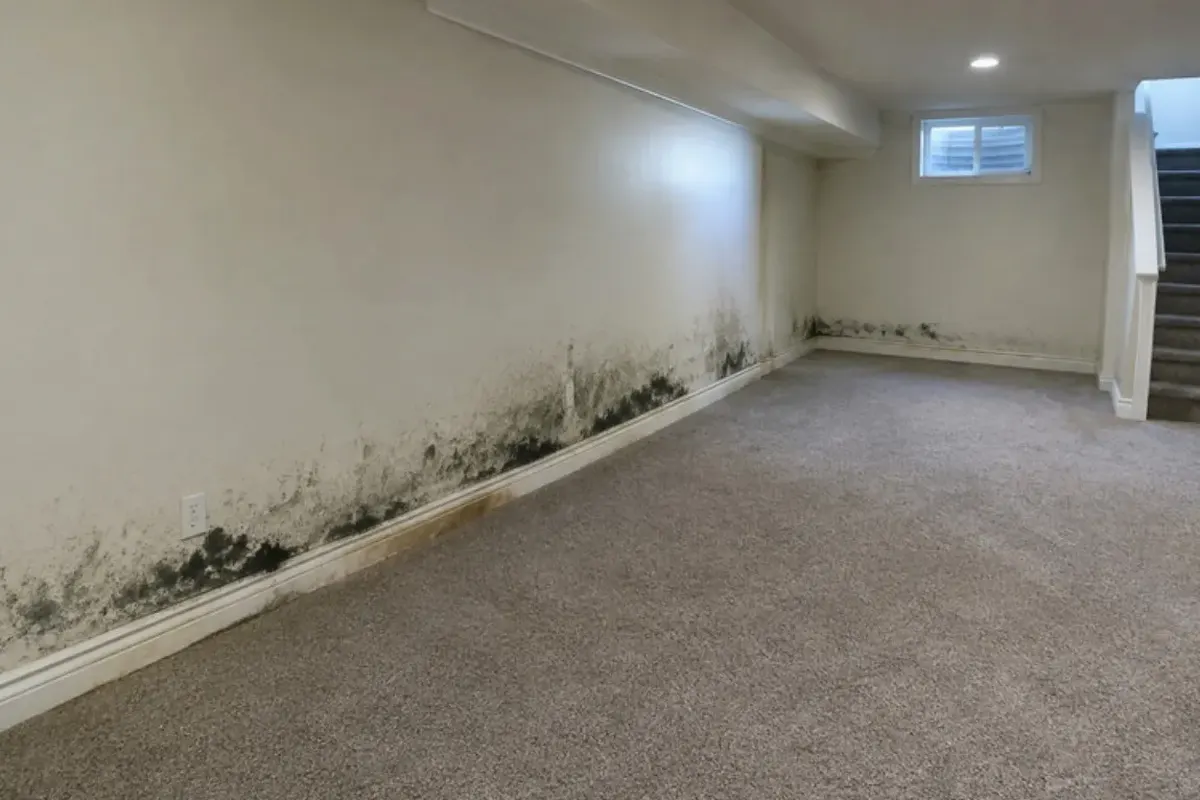
Before work starts in Clifton Heights
A company quoting rebuild work after mold removal on a Pennsylvania home should list its PA home improvement registration number on the paperwork. The Attorney General's office runs the lookup and takes complaints.
Ask whether the company that removes the mold will also test its own work. Many owners prefer an independent assessor for clearance.
Rebuild work after the mold comes out, such as new drywall or framing, may need a permit; the Clifton Heights Borough code office is where to ask for Clifton Heights addresses.
For flood zone questions after a heavy rain, FEMA's flood maps and your insurance agent can confirm the mapped zone for an address.
Calls from Clifton Heights are often matched with companies that also cover Drexel Hill, Darby and Morton.
Why Two Quotes Differ
- How much drywall or paneling is cut out
- Whether insulation and framing are replaced
- Length of the drying period
- Containment method and equipment used
Ask each company to price the same scope before comparing totals. Ask for a line-item scope so totals compare fairly across bids and visits.
What Comes Out and What Stays
Hard surfaces such as brick, stone, concrete, metal and sealed wood can often be cleaned. Pad, batt insulation, paper-faced drywall and particleboard that stayed wet generally cannot. A good company lists which finishes go and explains each choice in plain terms. Expect that list on paper before any work begins.
When a DIY Cleanup Is Enough
A small patch on bare masonry or a sealed surface, after the cause is repaired, can usually be handled with detergent and water. EPA puts the homeowner threshold at about 10 square feet. Anything on drywall, carpet or after a backup is better left to a company.
Basement Mold Removal questions in Clifton Heights
Why does my basement smell musty even when it looks dry?
Can I clean basement mold myself?
Is mold after a sewer backup handled differently?
Can window wells cause basement mold?
More mold services in Clifton Heights
Basement Mold Removal nearby
Helpful guides
Sources
Last updated: