Surface growth under about 10 square feet is something many homeowners clean themselves, per EPA. Mold inside a wall is usually a company job. Call the number on this page to be connected with a local mold company in Clayton.
Signs that look minor but are not
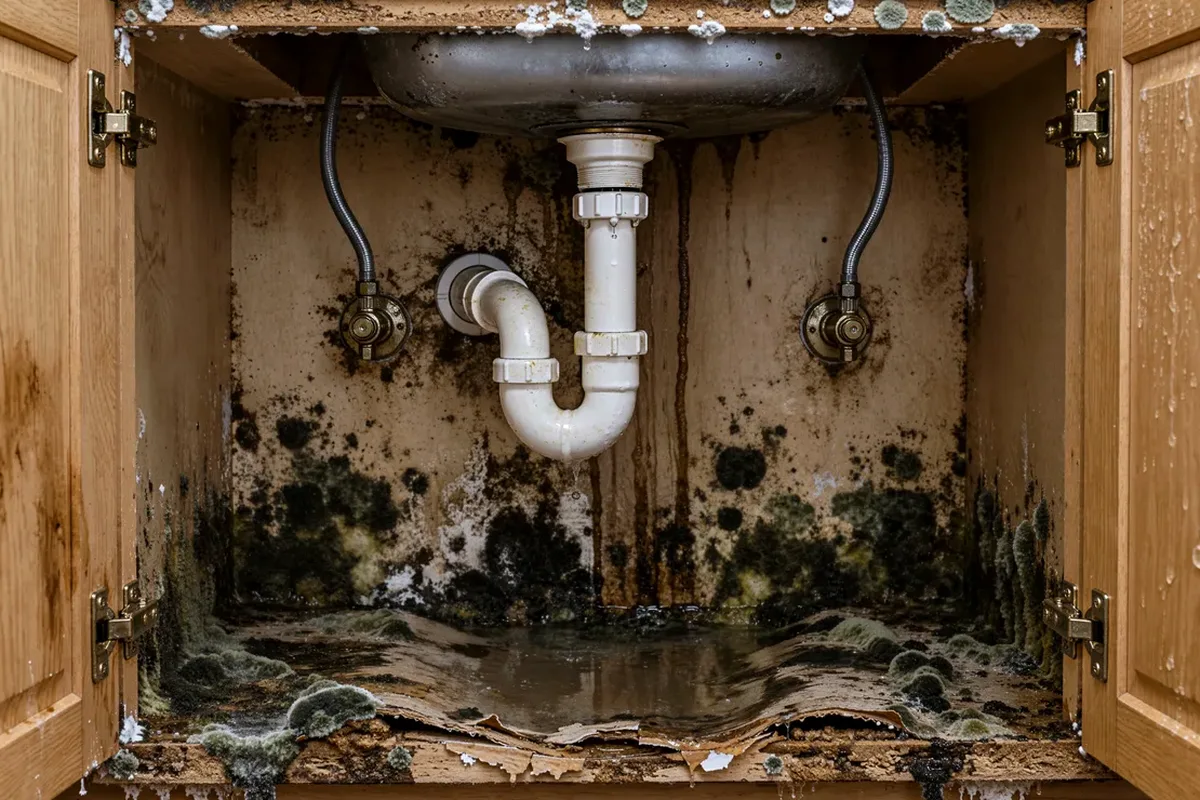
A faint odor in a closet, a slightly warm wall or paint that chalks near a pipe chase can seem trivial. These are often the only visible clues to a slow leak, and slow leaks give mold the longest time to spread unnoticed. Slow leaks are the ones mold likes best.
Slow leaks that fool people
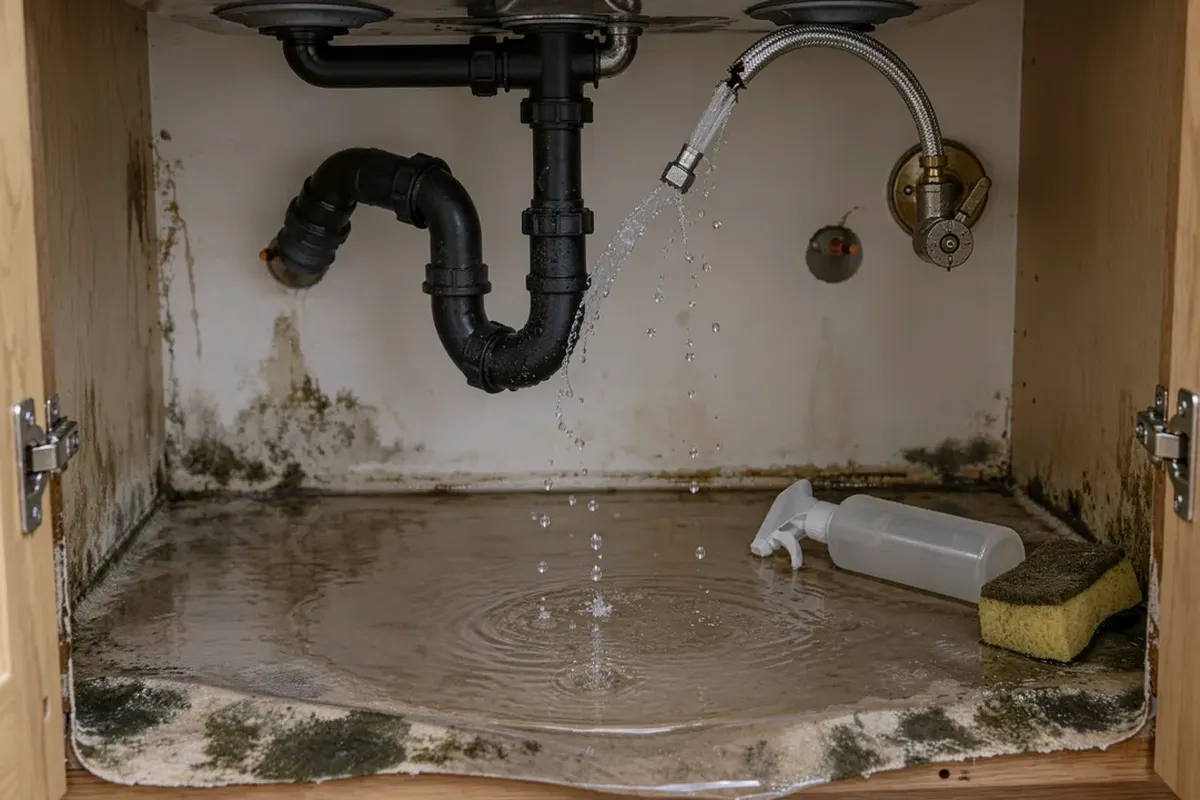
A pinhole in copper, a weeping valve or a roof nail that backs out lets in a little water at a time. The area never looks flooded, so it is ignored, yet the same spot stays wet week after week and grows mold. Check anything that has stayed damp for more than two days.
Insurance and your scope
Coverage for water damage often depends on whether it was sudden or gradual, and mold limits vary by policy. Ask your insurer before work starts, and keep the company's written findings and photos for the claim. Photos help the adjuster understand what you saw. Getting those details right saves arguments later with everyone involved.
Who handles what in Clayton
In New Jersey, look for a home improvement registration number on the company's ads and contract. The Division of Consumer Affairs handles registration and can confirm a contractor's status.
Keep the inspection report, the scope of work and any clearance results together; buyers, landlords and insurers often ask for them later.
If the job grows into replacing drywall, cabinets or framing, ask whether the rebuild needs a permit from the Clayton Borough construction office.
For flood zone questions after a heavy rain, FEMA's flood maps and your insurance agent can confirm the mapped zone for an address.
Calls from Clayton are often matched with companies that also cover Glassboro, Franklinville and Monroeville.
What a good scope looks like
A clear written scope names each room, the materials to be removed, the drying plan and how long equipment will stay. It should say who handles rebuild and whether a separate assessor will confirm the result afterward. Ask who signs off on the final result.
Keep humidity in range
EPA suggests indoor humidity below about 60 percent, and ideally 30 to 50. A basic hygrometer shows how your house is doing. After a leak, running a dehumidifier for several days helps confirm the space is truly drying. An inexpensive hygrometer is plenty. It is an inexpensive tool that pays for itself the first time it flags a problem.
Leak & Burst Pipe Mold Removal questions in Clayton
Will my insurance cover leak mold?
How do I know if the wall behind a stain is wet?
How long does it take mold to grow after a burst pipe?
Should I test the air after a leak?
More mold services in Clayton
Leak & Burst Pipe Mold Removal nearby
Helpful guides
Sources
Last updated: