A passing clearance is not a health guarantee or a number on a chart. The assessor looks for visible growth, leftover dust and damp materials, then compares post-job specimens with outdoor air or with the project's own criteria. If you have health concerns, talk with your doctor. Call the number on this page to be connected with a local mold company in Pennington.
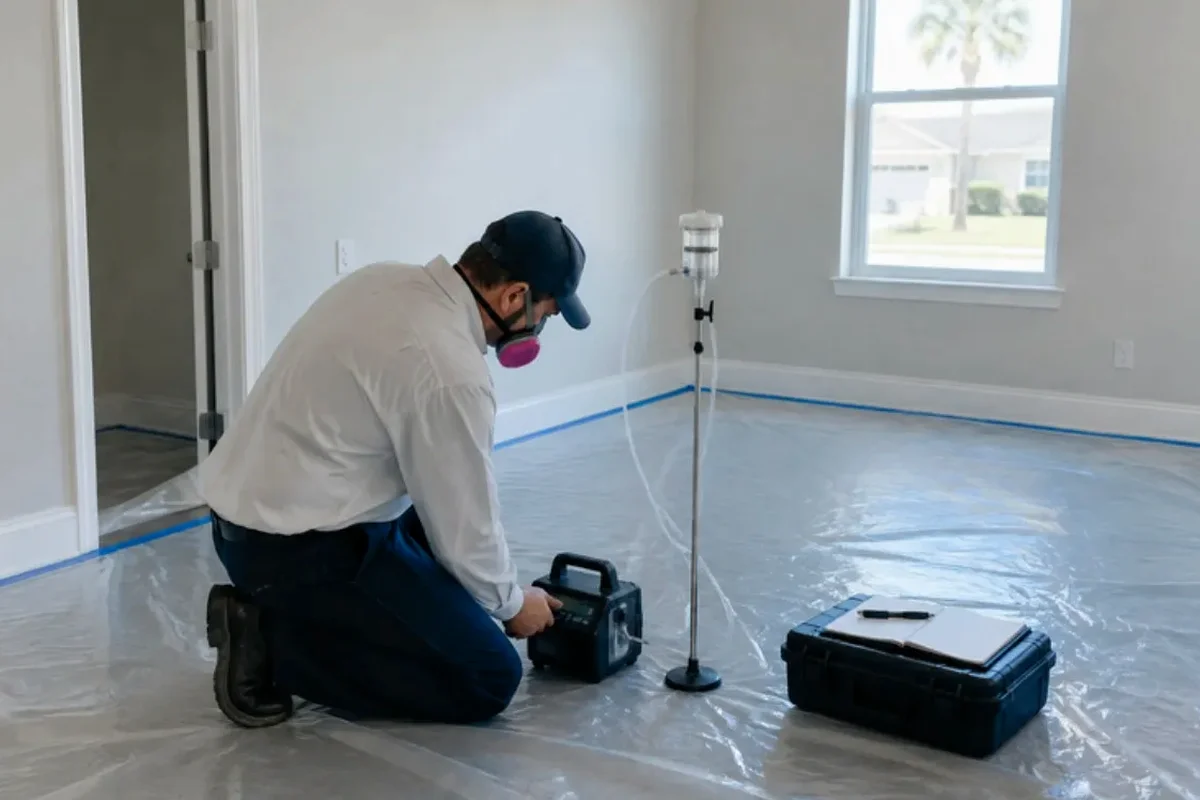
Choosing the moment
The check happens after removal, HEPA vacuuming and drying but before anything is rebuilt. Booking it a day or two ahead avoids idle crews. Leave the containment up until the assessor says it can come down, and do not let anyone strip it early. Confirm the date with the assessor in advance.
The visual walkthrough
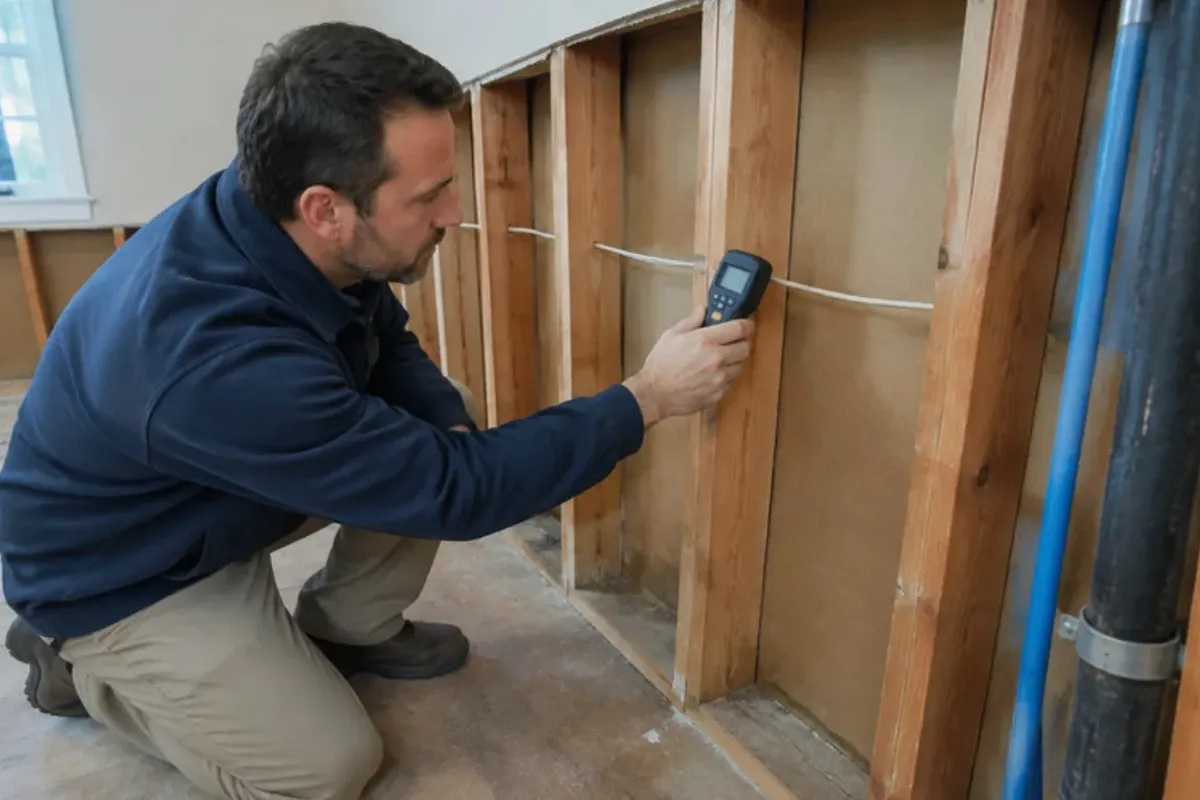
The assessor begins by looking. Surfaces in the work area should be free of visible growth, dust and debris, and removed materials should be gone from the site. Any leftover staining is noted, since it may point to moisture or to a spot that was missed in cleaning. Expect questions about anything that looks off.
Compare what each quote includes
One quote may cover air specimens only, while another adds tape lifts, moisture mapping and a written report. Line up exactly what each company includes before judging totals. The lowest number is not the best value if it leaves out documentation you need. Written scopes make that comparison easy.
Questions for the assessor
Ask what criteria the plan uses, how many specimens will be taken, which lab processes them and when the written report arrives. Also confirm that the assessor has no financial tie to the remediator. Training and experience are fair topics, since rules differ across the region. Write the answers down.
Water first, always
No clearance report protects a house that is still taking on water. A dripping pipe, roof leak or seeping foundation will bring mold back in the same place. EPA's advice applies: solve the moisture problem and dry wet materials within 24 to 48 hours. Fixing the source is the one step that cannot be skipped.
Permits and license checks in Pennington
In New Jersey, look for a home improvement registration number on the company's ads and contract. The Division of Consumer Affairs handles registration and can confirm a contractor's status.
Some owners hire one independent company for the inspection and clearance check and a different company for the cleanup, so the business judging the result isn't the one that did the work.
Rebuild work after the mold comes out, such as new drywall or framing, may need a permit; the municipal construction office for your address is where to ask for Pennington addresses.
Water that came in from outside raises insurance questions; FEMA's flood map search shows whether the property sits in a mapped flood zone.
Companies that take calls here usually also work in Lawrence Township, Titusville and Washington Crossing.
Post-Remediation Clearance Testing questions in Pennington
What does post-remediation clearance involve?
Is there a state certificate after mold work here?
How is clearance priced?
Can I rebuild before clearance?
More mold services in Pennington
Post-Remediation Clearance Testing nearby
Helpful guides
Sources
Last updated: