Around Philadelphia, mold mostly follows leaks, damp basements, roof and window trouble, ductwork condensation and storm water. Local companies cover inspection, testing, removal, HVAC and attic work and a closing check. Call the number on this page to be connected with a local mold company in National Park.
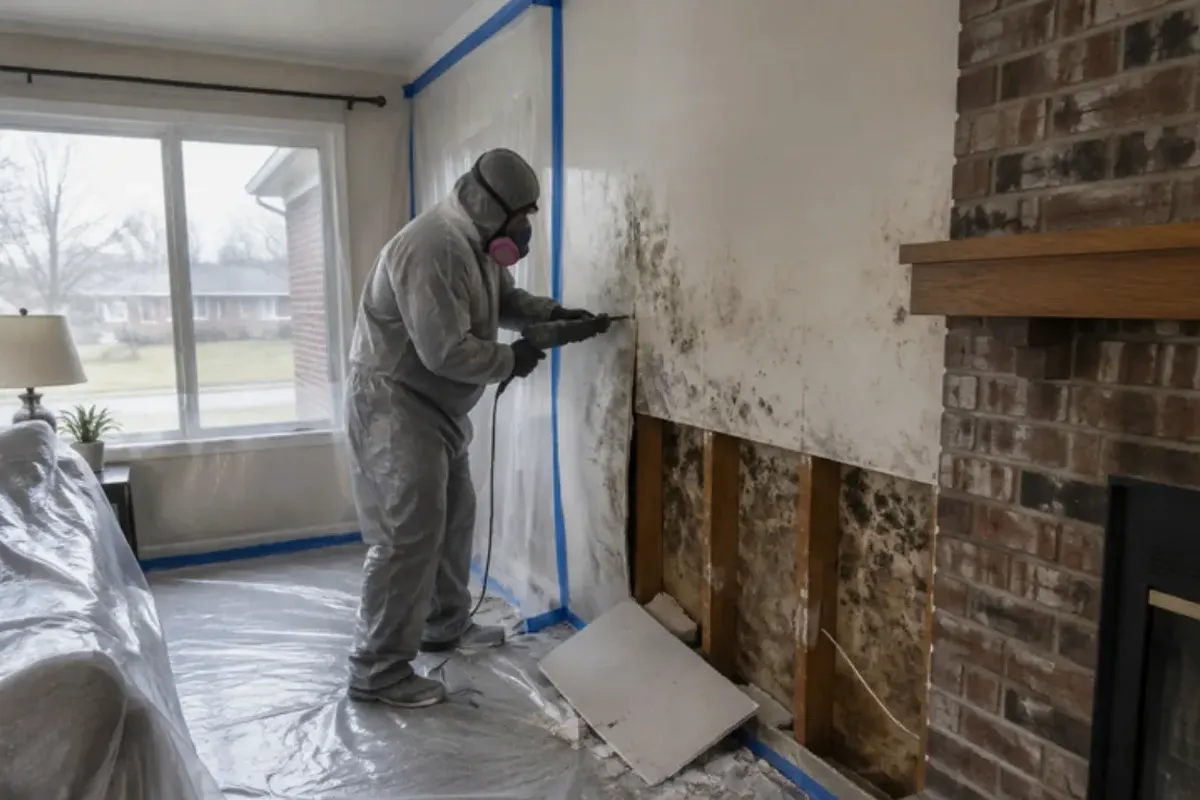
Mold services in National Park
Services callers ask about most
- Mold inspection and moisture mapping
- Air and surface sampling
- Removal and remediation
- Furnace, coil and duct mold
- Attic mold
- Burst pipe, leak and storm cleanup
- Final checks after the work
Independent local companies handle each of them. Choose the closest match when you call.
The basement is where it often begins
Brick and stone foundations in rowhouses and older suburbs let moisture through, and block walls in post-war homes can seep after rain. A sump pump that fails or a floor drain that backs up makes it worse. Stored boxes and carpet give growth something to feed on.
Flood-prone low ground near National Park makes fast drying and cleanup after high water especially important for keeping mold from taking hold.
Details that speed up the call
The conversation moves faster when you can say what you see or smell, which room it is in, whether a leak or storm came first, whether the furnace or AC seems involved and whether you own or rent. Photos help later. Plain words are fine; nobody expects trade vocabulary.
Insurance and paperwork
If a claim is involved, ask your insurer what documentation it wants before work starts, such as photos, an assessor's report or moisture readings. Keep invoices, the written plan and any final check results. Policies differ on mold coverage, so read yours or ask your agent.
Living in the house during cleanup
Many households stay home during the work, since the cleanup area is sealed off from the rest of the living space. Plan for noise from fans and demolition, and a few rooms that are off limits for a time. If you have health concerns, talk with your doctor about whether to stay elsewhere.
Who handles what in National Park
Contractors doing residential home improvement work in New Jersey must register each year with the Division of Consumer Affairs. Registration isn't a mold credential, but it's the state check that applies here.
Ask whether the company that removes the mold will also test its own work. Many owners prefer an independent assessor for clearance.
Check with the National Park Borough construction office before walls, cabinets or flooring go back in if the work goes beyond cleanup.
Water that came in from outside raises insurance questions; FEMA's flood map search shows whether the property sits in a mapped flood zone.
Calls from National Park are often matched with companies that also cover Woodbury, Thorofare and Westville.
Selling, buying or renting
Mold tends to surface during home sales and tenant turnovers, usually as a ceiling stain or a smell on a walkthrough. A passed final check and an assessor's report can settle a buyer's or tenant's questions. Start before the deadline is close, since drying and repairs take time.
Common questions in National Park
Can I clean mold myself?
Should I get mold testing or just an inspection?
What humidity level should I aim for?
Do I need a permit for mold repairs in National Park?
Nearby cities and towns
Sources
Last updated: