An inspection answers three questions: is mold present, where is the moisture coming from, and how much of the building is involved. Collecting samples is optional and often unnecessary. Call the number on this page to be connected with a local mold company in Glen Mills.
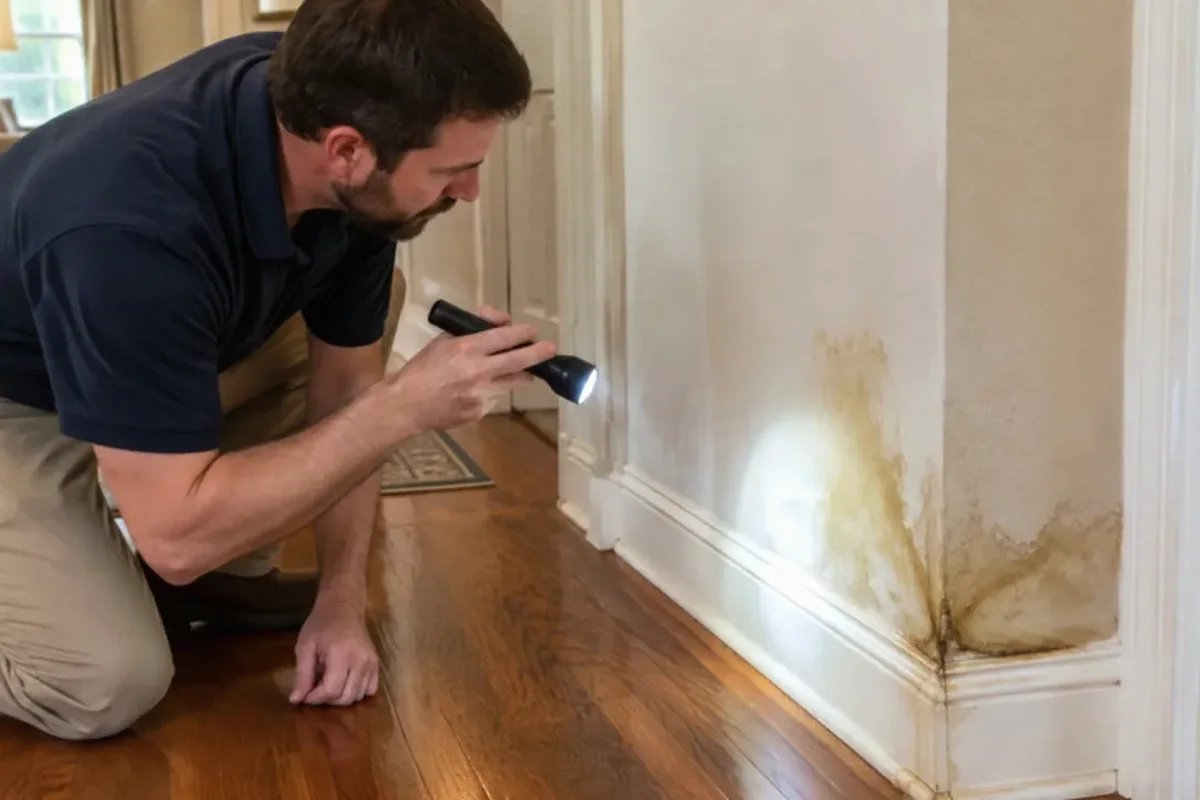
After a leak or storm
EPA advises drying wet materials within 24 to 48 hours. If that window passed, or you cannot tell whether the wall behind a stain is still damp, an inspection with moisture meters shows what remains wet before mold has a chance to settle in. Ask for readings rather than opinions when the time comes.
Mechanical equipment
Furnaces, central air and old boilers produce water or leak slowly. Condensate lines clog, ducts sweat in basements and attics, and radiator valves weep. Checking the equipment and nearby finishes is a regular part of a thorough visit. Look for rust and stains near these connections as a quick clue.
On bigger acreage, poor drainage can soak crawl spaces and outbuilding floors, so an assessor may look at yard grade as well as the rooms inside.
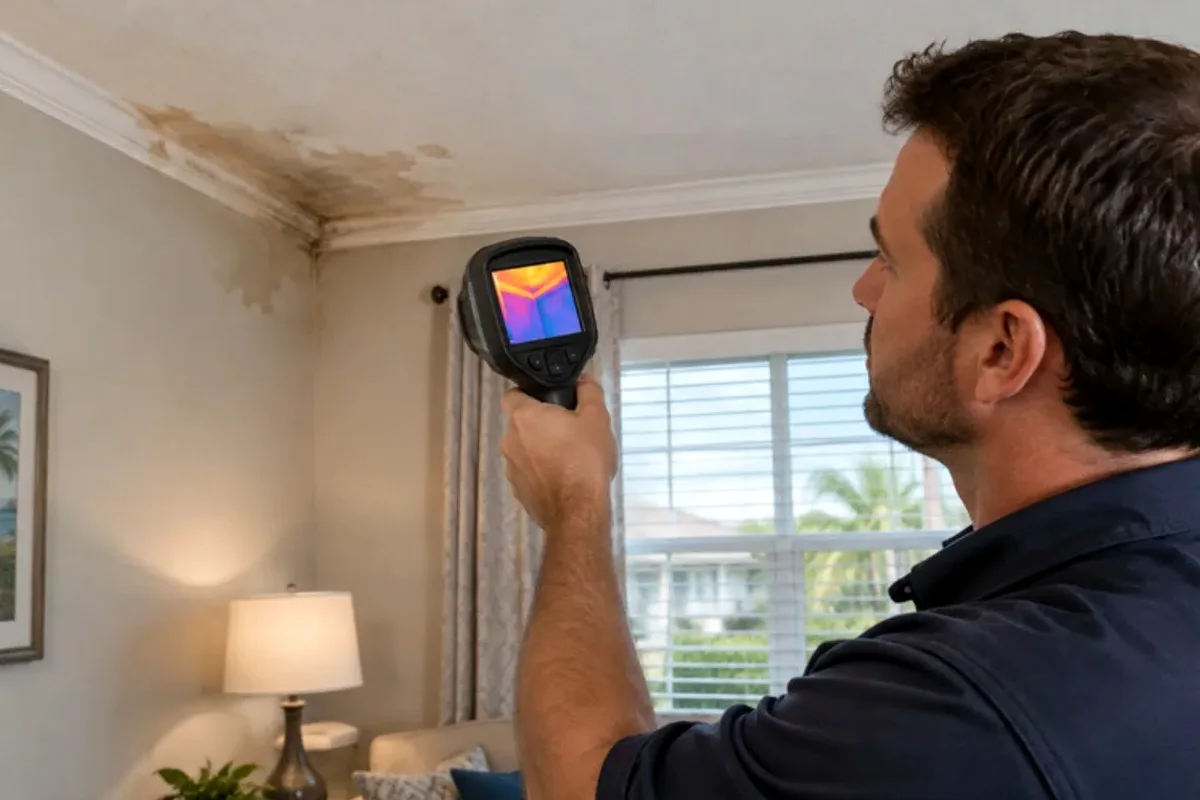
Inspection versus testing
Visual inspection with moisture readings is one service. Air or surface sampling with lab analysis is another and adds laboratory fees. EPA says sampling is usually unnecessary when mold is visible, so ask why anyone recommends it before you agree. Pay attention to whether the lab fee is quoted separately.
If problems turn up
The assessor will usually explain whether a homeowner can handle it or whether a remediation company is needed. In larger cases, the report can double as the scope of work for removal bids, which keeps the quotes comparable. The summary should name who does what next.
Permits and license checks in Glen Mills
Pennsylvania's Department of Health says there are no federal or state regulations about mold, so no state mold license exists to look up. What you can check is the company's home improvement contractor registration with the Pennsylvania Attorney General.
Keep the inspection report, the scope of work and any clearance results together; buyers, landlords and insurers often ask for them later.
Check with the township or borough building office for your address before walls, cabinets or flooring go back in if the work goes beyond cleanup.
Water that came in from outside raises insurance questions; FEMA's flood map search shows whether the property sits in a mapped flood zone.
Calls from Glen Mills are often matched with companies that also cover Aston, Thornton and Chester Heights.
Fix leaks promptly
A weeping fitting, a slow drain or failed caulk keeps materials damp for weeks. Repairing it early costs far less than opening walls later. Dry anything that got wet and keep an eye on the area for new staining. Walk the property after storms and look for fresh water marks.
Mold Inspection questions in Glen Mills
What tools do assessors use?
Should the assessor also do the removal?
Will the report say my home is safe?
Who pays for this call?
More mold services in Glen Mills
Mold Inspection nearby
Helpful guides
Sources
Last updated: