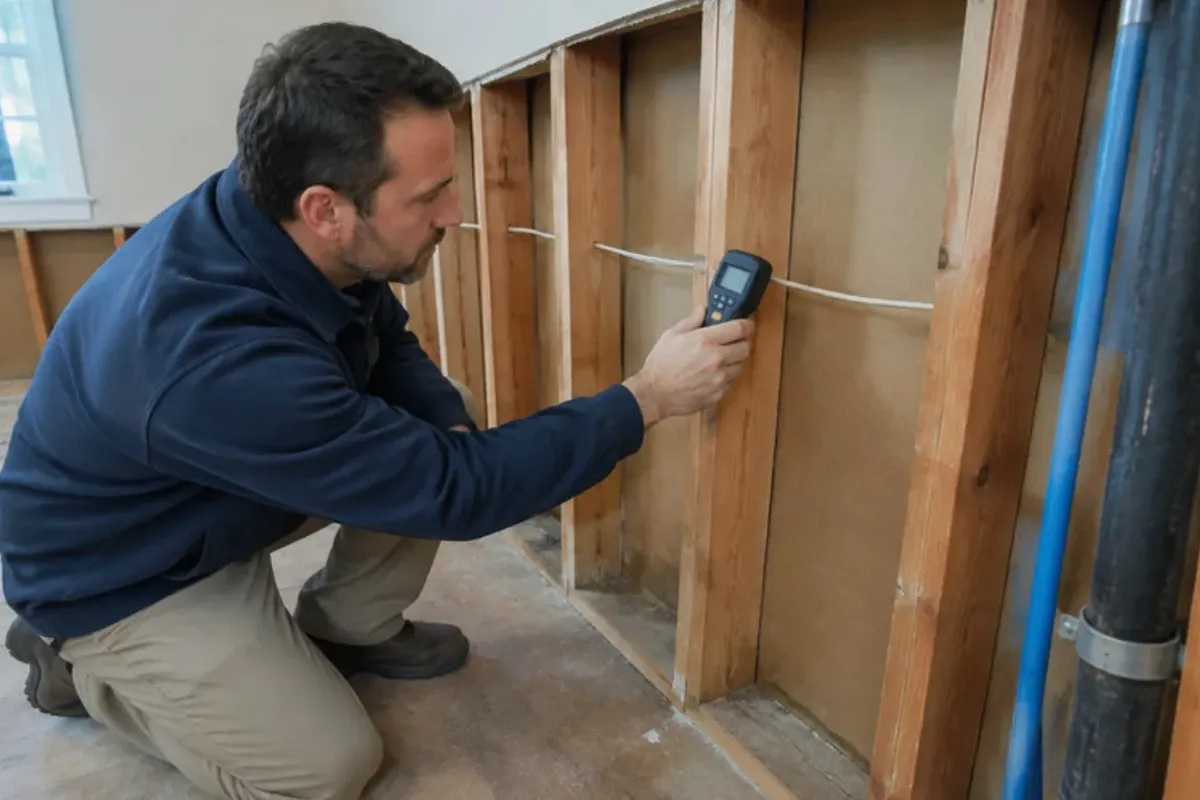
Expect the assessor to compare what was written at the start with what is now in the room: materials removed, surfaces cleaned, framing dry and containment intact. Call the number on this page to be connected with a local mold company in Claymont.
What clearance really is
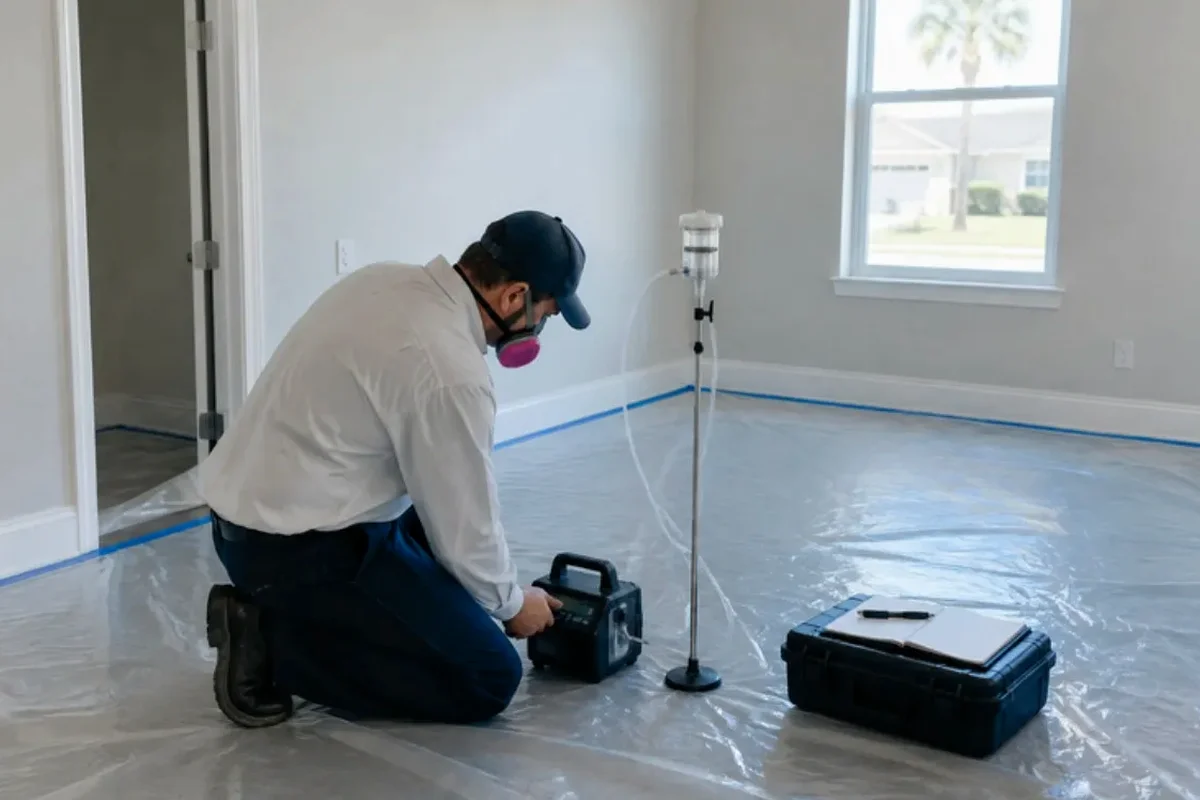
Clearance is the closing step of a mold project. Once the remediator finishes, a separate assessor walks the work area, compares it with the written plan and decides whether it passes. Think of it as a fresh inspection of the cleanup, not one more round of scrubbing. The aim is simple: confirmation.
Containment and negative air
The assessor also tends to confirm that barriers, air scrubbers and negative pressure stayed in place until clearance. Ending them too soon can spread settled dust. In a properly run job you will see sealed edges, tidy removal paths and intact plastic sheeting. Ask the assessor to confirm it in the report.
Close to the water, damp ground and heavy morning moisture can slow drying, and the assessor may confirm that lower walls and slab edges are dry before rebuilding begins.
Two contracts, not one
You will typically hold one agreement with the remediator and another with the assessor, and clearance sits under the second. Some owners expect it bundled into the cleanup price, but because the roles are meant to stay separate, it is quoted, scheduled and billed alone. Keep both agreements in the same folder.
Be there if you can
Being on site lets you hear the assessor's observations firsthand and point out spots that worried you. It also gives you a last look at the work area before it is rebuilt. Ask for dated photos of every cleaned location for your own records. Bring your plan and a flashlight.
Before work starts in Claymont
Before a Delaware job starts, confirm the contractor's state business license and get a written scope that covers containment, removal of damaged material and how the work will be checked at the end.
Ask whether the company that removes the mold will also test its own work. Many owners prefer an independent assessor for clearance.
Check with the New Castle County Department of Land Use before walls, cabinets or flooring go back in if the work goes beyond cleanup.
For flood zone questions after a heavy rain, FEMA's flood maps and your insurance agent can confirm the mapped zone for an address.
Nearby, the same kind of help is available in Aston, Marcus Hook and Garnet Valley.
Water first, always
No clearance report protects a house that is still taking on water. A dripping pipe, roof leak or seeping foundation will bring mold back in the same place. EPA's advice applies: solve the moisture problem and dry wet materials within 24 to 48 hours. Fixing the source is the one step that cannot be skipped.
Post-Remediation Clearance Testing questions in Claymont
What does post-remediation clearance involve?
What happens during the visit?
How long until results arrive in Claymont?
Do small cleanups need clearance?
More mold services in Claymont
Post-Remediation Clearance Testing nearby
Helpful guides
Sources
Last updated: